
Exciting News! We would like to announce that our office is now part of Foot & Ankle Clinics, P.A. We welcome back Dr. Carly Kriedberg to the Edina office starting November 2, 2020. Dr. Moeller continues to see patients one day a week as he continues inching toward retirement. We will be transitioning Dr. Moeller’s patients into Dr. Kriedberg’s schedule and appreciate your patience and understanding in facilitating this transition.
Click here for an important statement on the Coronavirus (COVID-19)Click here for info on the closure of our Chanhassen/Eden Prairie office
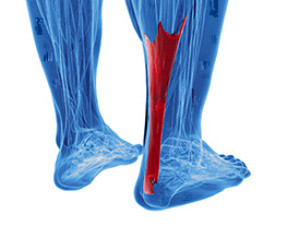 If you feel the back of your ankle, you will notice the fibrous tissue that connects the heel bone to the calf muscle. This is known as the Achilles tendon. There are two injuries that commonly affect this tendon. The first, known as Achilles tendinopathy, occurs when there is pain on the back of the heel as a result of overuse. Common signs of Achilles tendinopathy include swelling, stiffness, and pain that is worse in the morning. The second injury is an Achilles tendon rupture or tear, which commonly occurs as a result of jumping and pivoting with a lot of force. This causes the tendon to overstretch and eventually tear. Anyone who tears their Achilles tendon will notice a severe pain and a loss of both movement and strength in the tendon. If you are experiencing pain or swelling in your Achilles tendon, it is suggested that you consult with a podiatrist who can help provide a treatment option for injuries as well as ways to prevent a rupture.
Achilles tendon injuries need immediate attention to avoid future complications. If you have any concerns, contact Roy Moeller, DPM of Foot & Ankle Physicians West. Our doctors can provide the care you need to keep you pain-free and on your feet.
What Is the Achilles Tendon?
The Achilles tendon is a tendon that connects the lower leg muscles and calf to the heel of the foot. It is the strongest tendon in the human body and is essential for making movement possible. Because this tendon is such an integral part of the body, any injuries to it can create immense difficulties and should immediately be presented to a doctor.
What Are the Symptoms of an Achilles Tendon Injury?
There are various types of injuries that can affect the Achilles tendon. The two most common injuries are Achilles tendinitis and ruptures of the tendon.
Achilles Tendinitis Symptoms
Rupture Symptoms
Treatment and Prevention
Achilles tendon injuries are diagnosed by a thorough physical evaluation, which can include an MRI. Treatment involves rest, physical therapy, and in some cases, surgery. However, various preventative measures can be taken to avoid these injuries, such as:
If you have any questions please feel free to contact our office located in Edina, MN . We offer the newest diagnostic tools and technology to treat your foot and ankle needs.
Read more about What are Achilles Tendon Injuries
When you experience a twisted foot or ankle, it can cause another injury sometimes called a dancer’s fracture. If the toe is pointed downward as the ankle twists outward, a spiral fracture to the 5th metatarsal may result. This injury, which curves lengthwise down the foot bone, causes immediate pain, swelling and difficulty walking. The outside of the foot may turn black-and-blue and be tender to the touch. This condition frequently takes at least six weeks to heal, and even then can be problematic, especially if ligaments are also affected. It is suggested that anyone receiving this type of injury make an appointment to see a podiatrist immediately to get an X-ray and complete examination. The foot will likely be placed in a boot for a number of weeks and bearing weight will be limited. Other treatment options may be recommended.
Foot Pain
Foot pain can be extremely painful and debilitating. If you have a foot pain, consult with Roy Moeller, DPM from Foot & Ankle Physicians West. Our doctors will assess your condition and provide you with quality foot and ankle treatment.
Causes
Foot pain is a very broad condition that could be caused by one or more ailments. The most common include:
Diagnosis
To figure out the cause of foot pain, podiatrists utilize several different methods. This can range from simple visual inspections and sensation tests to X-rays and MRI scans. Prior medical history, family medical history, and any recent physical traumatic events will all be taken into consideration for a proper diagnosis.
Treatment
Treatment depends upon the cause of the foot pain. Whether it is resting, staying off the foot, or having surgery; podiatrists have a number of treatment options available for foot pain.
If you have any questions, please feel free to contact our office located in Edina, MN . We offer the newest diagnostic and treatment technologies for all your foot care needs.
Read more about Foot Pain
You don't need an excuse to have beautiful nails. Step outside without worrying about the appearance of your feet.

While severe ankle pain is most typically caused by fractures and sprains, it may also be the result of a ruptured Achilles tendon. An ankle fracture is a break in one or more of the three bones of the ankle. Along with intense and immediate pain, a severe ankle fracture may be accompanied by bruising, swelling, tenderness, difficulty bearing weight or walking, and an obvious deformity. An ankle sprain occurs when one or more ligament that supports the ankle becomes overly stretched, or partially/fully torn. When you severely sprain your ankle, you may experience many of the same symptoms as an ankle fracture, and you may even hear a popping sound at the moment of injury. An Achilles tendon rupture occurs when this large tendon that attaches the calf muscles to the heel bone tears partially or is fully torn away from the heel bone. This condition typically causes severe pain, swelling, stiffness, weakness, bruising, tenderness and an inability to stand your toes. If you have suffered one of these injuries or are experiencing any pain in your ankle, it is suggested that you seek immediate treatment from a podiatrist.
Ankle pain can be caused by a number of problems and may be potentially serious. If you have ankle pain, consult with Roy Moeller, DPM from Foot & Ankle Physicians West. Our doctors will assess your condition and provide you with quality foot and ankle treatment.
Ankle pain is any condition that causes pain in the ankle. Due to the fact that the ankle consists of tendons, muscles, bones, and ligaments, ankle pain can come from a number of different conditions.
Causes
The most common causes of ankle pain include:
Symptoms
Symptoms of ankle injury vary based upon the condition. Pain may include general pain and discomfort, swelling, aching, redness, bruising, burning or stabbing sensations, and/or loss of sensation.
Diagnosis
Due to the wide variety of potential causes of ankle pain, podiatrists will utilize a number of different methods to properly diagnose ankle pain. This can include asking for personal and family medical histories and of any recent injuries. Further diagnosis may include sensation tests, a physical examination, and potentially x-rays or other imaging tests.
Treatment
Just as the range of causes varies widely, so do treatments. Some more common treatments are rest, ice packs, keeping pressure off the foot, orthotics and braces, medication for inflammation and pain, and surgery.
If you have any questions, please feel free to contact our office located in Edina, MN . We offer the newest diagnostic and treatment technologies for all your foot care needs.
Read more about Ankle Pain
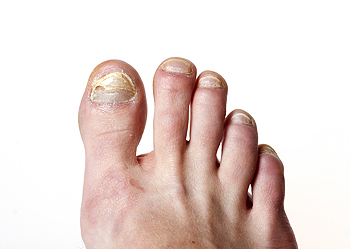
A common cause for yellow toenails is toenail fungus, however, it may be indicative of other conditions such as diabetes, psoriasis, yellow nail syndrome, lymphedema, lung problems, or jaundice. Fungal nail infections may also present symptoms such as thickened, hardened, and brittle nails, and the nail may even lift from the nail bed and emit a foul odor. Wearing shoes may cause pain or discomfort as well. This infection of the toenail (onychomycosis) is typically caused by the dermatophytes fungi in temperate climates, or non-dermatophytic moulds or candida in more tropical environments. Fungal nail infections may be brought on by exposure to the fungi that is living in public areas which are damp and warm such as communal showers, locker rooms, pools and gyms. Ill-fitting footwear, excessive sweating of the feet, brittle nails due to age, as well as injury, psoriasis, or other skin conditions may also increase a person’s risk for developing a fungal nail infection. Treating fungal nail infections is best handled by a podiatrist as the fungi are hearty and hard to kill entirely and promptly without professional care. If you have toenail fungus, make an appointment with a podiatrist. They may use prescription, oral and/or topical antifungal medications, laser therapy, as well as other treatments to help resolve your issue.
If left untreated, toenail fungus may spread to other toenails, skin, or even fingernails. If you suspect you have toenail fungus it is important to seek treatment right away. For more information about treatment, contact Roy Moeller, DPM of Foot & Ankle Physicians West. Our doctors can provide the care you need to keep you pain-free and on your feet.
Symptoms
Treatment
If self-care strategies and over-the-counter medications does not help your fungus, your podiatrist may give you a prescription drug instead. Even if you find relief from your toenail fungus symptoms, you may experience a repeat infection in the future.
Prevention
In order to prevent getting toenail fungus in the future, you should always make sure to wash your feet with soap and water. After washing, it is important to dry your feet thoroughly especially in between the toes. When trimming your toenails, be sure to trim straight across instead of in a rounded shape. It is crucial not to cover up discolored nails with nail polish because that will prevent your nail from being able to “breathe”.
In some cases, surgical procedure may be needed to remove the toenail fungus. Consult with your podiatrist about the best treatment options for your case of toenail fungus.
If you have any questions, please feel free to contact our office located in Edina, MN . We offer the newest diagnostic and treatment technologies for all your foot care needs.
Read more about Treating Toenail Fungus

Sometimes a bony lump forms on the back of the heel, commonly referred to as a pump bump. It may be caused by the rubbing of your heel on the inside of the shoe. Activity can aggravate the bumps, which normally form on both heels and sometimes lead to pain. Wearing shoes with no heel can increase your comfort level but will not reduce or affect the lump itself. A podiatrist can take an X-ray of the area to determine its severity and suggest non-surgical or surgical treatment options as needed. One such remedy is a change in footwear to a more softly cushioned heel counter, which can help to alleviate any pain or swelling in the area. Further, a heel insert may help alleviate discomfort. If the pump bump continues to enlarge and becomes painful enough to interfere with your daily activities, a podiatrist can also recommend remedies that will help bring relief.
Many people suffer from bouts of heel pain. For more information, contact Roy Moeller, DPM of Foot & Ankle Physicians West. Our doctors can provide the care you need to keep you pain-free and on your feet.
Causes of Heel Pain
Heel pain is often associated with plantar fasciitis. The plantar fascia is a band of tissues that extends along the bottom of the foot. A rip or tear in this ligament can cause inflammation of the tissue.
Achilles tendonitis is another cause of heel pain. Inflammation of the Achilles tendon will cause pain from fractures and muscle tearing. Lack of flexibility is also another symptom.
Heel spurs are another cause of pain. When the tissues of the plantar fascia undergo a great deal of stress, it can lead to ligament separation from the heel bone, causing heel spurs.
Why Might Heel Pain Occur?
Treatments
Heel pain should be treated as soon as possible for immediate results. Keeping your feet in a stress-free environment will help. If you suffer from Achilles tendonitis or plantar fasciitis, applying ice will reduce the swelling. Stretching before an exercise like running will help the muscles. Using all these tips will help make heel pain a condition of the past.
If you have any questions please contact our office located in Edina, MN . We offer the newest diagnostic and treatment technologies for all your foot and ankle needs.
Read more about Heel Pain
Do you suffer from heel pain when you get up in the morning? If so, you should seek the professional help of your podiatrist and have a proper diagnosis performed. Heel pain can be caused by several different foot-related conditions.
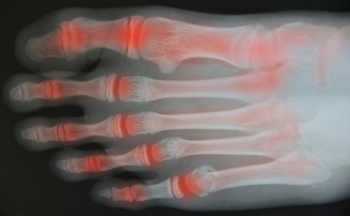
The synovial membrane is the protective tissue that surrounds joints such as the ankle. Rheumatoid arthritis is an auto-immune disease in which the body attacks this tissue causing it to become swollen and filled with fluid. Over time, this fluid can break the ankle joint down, causing it to become misaligned, deformed, and stiff. Other symptoms include ankle pain, fatigue, and fever. If the inflammation of rheumatoid arthritis goes unchecked, it may affect other parts of the body and lead to other diseases. While genetics can make you more predisposed to infections that may bring on rheumatoid arthritis, smoking, old age, and obesity may also increase your risks of contracting this disease. If you have pain in your ankles due to rheumatoid arthritis, a podiatrist may treat you with medications, physical therapy, orthotics, steroid injections or, in worst case scenarios, surgery to increase stability, reduce pain, and restore mobility in the ankles.
Because RA affects more than just your joints, including the joints in your feet and ankles, it is important to seek early diagnosis from your podiatrist if you feel like the pain in your feet might be caused by RA. For more information, contact Roy Moeller, DPM of Foot & Ankle Physicians West. Our doctors will assist you with all of your podiatric concerns.
What Is Rheumatoid Arthritis?
Rheumatoid Arthritis (RA) is an autoimmune disorder in which the body’s own immune system attacks the membranes surrounding the joints. Inflammation of the lining and eventually the destruction of the joint’s cartilage and bone occur, causing severe pain and immobility.
Rheumatoid Arthritis of the Feet
Although RA usually attacks multiple bones and joints throughout the entire body, almost 90 percent of cases result in pain in the foot or ankle area.
Symptoms
Diagnosis
Quick diagnosis of RA in the feet is important so that the podiatrist can treat the area effectively. Your doctor will ask you about your medical history, occupation, and lifestyle to determine the origin of the condition. Rheumatoid Factor tests help to determine if someone is affected by the disease.
If you have any questions please feel free to contact our office located in Edina, MN . We offer the newest diagnostic and treatment technologies for all your foot and ankle needs.
Read more about Rheumatoid Arthritis in the Feet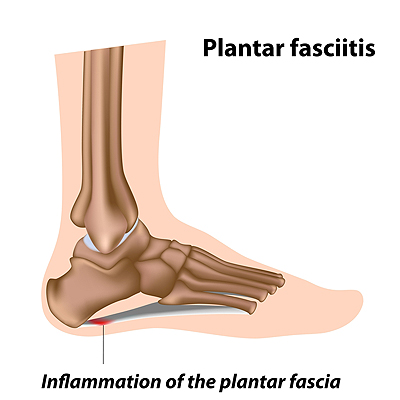 Plantar fasciitis is a common foot injury in which the plantar fascia becomes inflamed. The plantar fascia is a ligament that runs along the bottom of the foot, connecting the heel bone to the toes. This ligament can become damaged when it is strained through repetitive overuse or a sudden increase in physical activity, such as running. Standing for prolonged periods of time, exercising on hard surfaces, and wearing shoes that lack proper support or fit poorly can also injure the plantar fascia. People who have flat feet or high arches, are overweight, have had foot or ankle injuries, or are over age 40 are more likely to develop plantar fasciitis. If you are suffering from foot pain, please seek the care of a podiatrist for diagnosis and treatment options.
Plantar fasciitis can be very painful and inconvenient. If you are experiencing heel pain or symptoms of plantar fasciitis, contact Roy Moeller, DPM from Foot & Ankle Physicians West. Our doctors can provide the care you need to keep you pain-free and on your feet.
What Is Plantar Fasciitis?
Plantar fasciitis is the inflammation of the thick band of tissue that runs along the bottom of your foot, known as the plantar fascia, and causes mild to severe heel pain.
What Causes Plantar Fasciitis?
How Can It Be Treated?
While very treatable, plantar fasciitis is definitely not something that should be ignored. Especially in severe cases, speaking to your doctor right away is highly recommended to avoid complications and severe heel pain. Your podiatrist can work with you to provide the appropriate treatment options tailored to your condition.
If you have any questions please feel free to contact our office located in Edina, MN . We offer the newest diagnostic and treatment technologies for all your foot and ankle needs.
Read more about Plantar Fasciitis Shoe inserts that are designed to help relieve pain for a variety of foot conditions (including corns and calluses, tendonitis, bunions, heel pain, and recurring stress fractures) are known as orthotics. Orthotics can be made from various materials, such as rubber, plastic, leather, and in some cases, even metal. Podiatrists often make custom orthotics to treat specific issues. Podiatrists customize orthotics by accounting for the biomechanics of the foot as well as the function and structure of the foot. Patients who are struggling with pain in their feet may wish to consult a podiatrist who can prescribe custom orthotics that are specific to your foot.
If you are having discomfort in your feet and would like to try orthotics, contact Roy Moeller, DPM from Foot & Ankle Physicians West. Our doctors can provide the care you need to keep you pain-free and on your feet.
What Are Orthotics?
Orthotics are inserts you can place into your shoes to help with a variety of foot problems such as flat feet or foot pain. Orthotics provide relief and comfort for minor foot and heel pain but can’t correct serious biomechanical problems in your feet.
Over-the-Counter Inserts
Orthotics come in a wide variety of over-the-counter inserts that are used to treat foot pain, heel pain, and minor problems. For example, arch supports can be inserted into your shoes to help correct overarched or flat feet, while gel insoles are often used because they provide comfort and relief from foot and heel pain by alleviating pressure.
Prescription Orthotics
If over-the-counter inserts don’t work for you or if you have a more severe foot concern, it is possible to have your podiatrist prescribe custom orthotics. These high-quality inserts are designed to treat problems such as abnormal motion, plantar fasciitis, and severe forms of heel pain. They can even be used to help patients suffering from diabetes by treating foot ulcers and painful calluses and are usually molded to your feet individually, which allows them to provide full support and comfort.
If you are experiencing minor to severe foot or heel pain, it’s recommended to speak with your podiatrist about the possibilities of using orthotics. A podiatrist can determine which type of orthotic is right for you and allow you to take the first steps towards being pain-free.
If you have any questions please contact our office located in Edina, MN . We offer the newest diagnostic and treatment technologies for all your foot and ankle needs.
Read more about Foot Orthotics