
Exciting News! We would like to announce that our office is now part of Foot & Ankle Clinics, P.A. We welcome back Dr. Carly Kriedberg to the Edina office starting November 2, 2020. Dr. Moeller continues to see patients one day a week as he continues inching toward retirement. We will be transitioning Dr. Moeller’s patients into Dr. Kriedberg’s schedule and appreciate your patience and understanding in facilitating this transition.
Click here for an important statement on the Coronavirus (COVID-19)Click here for info on the closure of our Chanhassen/Eden Prairie office
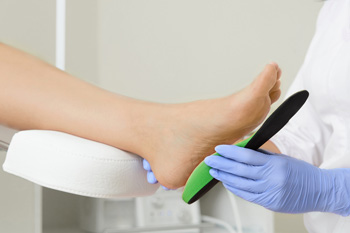 Shoe inserts that are designed to help relieve pain for a variety of foot conditions (including corns and calluses, tendonitis, bunions, heel pain, and recurring stress fractures) are known as orthotics. Orthotics can be made from various materials, such as rubber, plastic, leather, and in some cases, even metal. Podiatrists often make custom orthotics to treat specific issues. Podiatrists customize orthotics by accounting for the biomechanics of the foot as well as the function and structure of the foot. Patients who are struggling with pain in their feet may wish to consult a podiatrist who can prescribe custom orthotics that are specific to your foot.
If you are having discomfort in your feet and would like to try orthotics, contact Roy Moeller, DPM from Foot & Ankle Physicians West. Our doctors can provide the care you need to keep you pain-free and on your feet.
What Are Orthotics?
Orthotics are inserts you can place into your shoes to help with a variety of foot problems such as flat feet or foot pain. Orthotics provide relief and comfort for minor foot and heel pain but can’t correct serious biomechanical problems in your feet.
Over-the-Counter Inserts
Orthotics come in a wide variety of over-the-counter inserts that are used to treat foot pain, heel pain, and minor problems. For example, arch supports can be inserted into your shoes to help correct overarched or flat feet, while gel insoles are often used because they provide comfort and relief from foot and heel pain by alleviating pressure.
Prescription Orthotics
If over-the-counter inserts don’t work for you or if you have a more severe foot concern, it is possible to have your podiatrist prescribe custom orthotics. These high-quality inserts are designed to treat problems such as abnormal motion, plantar fasciitis, and severe forms of heel pain. They can even be used to help patients suffering from diabetes by treating foot ulcers and painful calluses and are usually molded to your feet individually, which allows them to provide full support and comfort.
If you are experiencing minor to severe foot or heel pain, it’s recommended to speak with your podiatrist about the possibilities of using orthotics. A podiatrist can determine which type of orthotic is right for you and allow you to take the first steps towards being pain-free.
If you have any questions please contact our office located in Edina, MN . We offer the newest diagnostic and treatment technologies for all your foot and ankle needs.
Read more about Foot Orthotics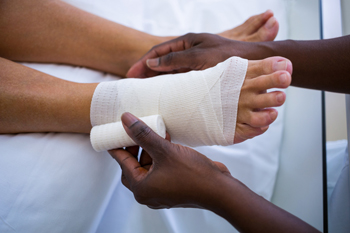
Wounds can occur on the feet from an injury, poor circulation, prolonged pressure from improperly fitted shoes, or complications from diseases like diabetes, neuropathy, and vascular disease. Over time, if these wounds do not close and the underlying tissue becomes affected, they are considered ulcers. These types of wounds are potentially dangerous – particularly in people with diabetes. Ulcers can lead to infections in the bone and skin. You can sometimes tell if the wound on your foot has become an ulcer if it is draining, emits a foul odor, or the tissue has become thickened, inflamed, or red. It is important to seek the professional wound care that a podiatrist can provide to help heal the wound and prevent more serious complications from developing. Podiatrists typically begin by cleaning the wound and removing any unhealthy tissue, termed debridement. Antibiotics may be prescribed if an infection is present. They may also suggest certain shoes and orthotics that will keep pressure off the wound and, in severe cases, perform surgery and other methods of wound care.
Wound care is an important part in dealing with diabetes. If you have diabetes and a foot wound or would like more information about wound care for diabetics, consult with Roy Moeller, DPM from Foot & Ankle Physicians West. Our doctors will assess your condition and provide you with quality foot and ankle treatment.
What Is Wound Care?
Wound care is the practice of taking proper care of a wound. This can range from the smallest to the largest of wounds. While everyone can benefit from proper wound care, it is much more important for diabetics. Diabetics often suffer from poor blood circulation which causes wounds to heal much slower than they would in a non-diabetic.
What Is the Importance of Wound Care?
While it may not seem apparent with small ulcers on the foot, for diabetics, any size ulcer can become infected. Diabetics often also suffer from neuropathy, or nerve loss. This means they might not even feel when they have an ulcer on their foot. If the wound becomes severely infected, amputation may be necessary. Therefore, it is of the upmost importance to properly care for any and all foot wounds.
How to Care for Wounds
The best way to care for foot wounds is to prevent them. For diabetics, this means daily inspections of the feet for any signs of abnormalities or ulcers. It is also recommended to see a podiatrist several times a year for a foot inspection. If you do have an ulcer, run the wound under water to clear dirt from the wound; then apply antibiotic ointment to the wound and cover with a bandage. Bandages should be changed daily and keeping pressure off the wound is smart. It is advised to see a podiatrist, who can keep an eye on it.
If you have any questions, please feel free to contact our office located in Edina, MN . We offer the newest diagnostic and treatment technologies for all your foot care needs.
Read more about Wound Care
When it comes to falling and the many foot and ankle injuries associated with it, the elderly are not the only group at risk. Young children fall frequently as they learn to walk, climb, run, and explore the world around them. While you may not be able to prevent every fall, you can take steps to prevent any major injuries. Around the home, lock doors that lead to dangerous areas and use sliding gates on stairways. Ensure that all carpets and rugs are held securely in place to prevent tripping or slipping. Keep hallways, stairs, and walking areas around the house free of clutter. Keep an eye on your child while they play and don’t allow them to climb high furniture. For more information about preventing falls for your loved ones of all ages, please consult with a podiatrist.
Preventing falls among the elderly is very important. If you are older and have fallen or fear that you are prone to falling, consult with Roy Moeller, DPM from Foot & Ankle Physicians West. Our doctors will assess your condition and provide you with quality advice and care.
Every 11 seconds, an elderly American is being treated in an emergency room for a fall related injury. Falls are the leading cause of head and hip injuries for those 65 and older. Due to decreases in strength, balance, senses, and lack of awareness, elderly persons are very susceptible to falling. Thankfully, there are a number of things older persons can do to prevent falls.
How to Prevent Falls
Some effective methods that older persons can do to prevent falls include:
Falling can be a traumatic and embarrassing experience for elderly persons; this can make them less willing to leave the house, and less willing to talk to someone about their fears of falling. Doing such things, however, will increase the likelihood of tripping or losing one’s balance. Knowing the causes of falling and how to prevent them is the best way to mitigate the risk of serious injury.
If you have any questions, please feel free to contact our office located in Edina, MN . We offer the newest diagnostic and treatment technologies for all your foot care needs.
Read more about Falls Prevention
Custom orthotics, or shoe inserts, should be periodically replaced. Orthotics must fit properly to give you the best results. Protect your feet and ankles!
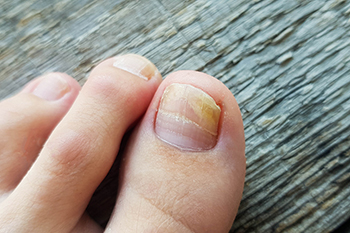 Toenails that have turned brown or yellow in color and/or have become thick and crumbly, may have a fungal infection. These infections are often caused when fungi get into small cracks in the toenails. The fungi that often cause these infections tend to live in warm and moist environments like locker rooms, showers, and pool areas. One thing that can be done to prevent these infections is to make sure to always wear some form of footwear in these environments. Other things that can be done to prevent fungal nail infections include frequently washing the feet, wearing a new fresh pair of socks every day, avoiding sharing footwear with others, as well as wearing breathable footwear. Infected toenails can become painful and emit a foul odor if not treated. Patients who believe that they may already have a fungal nail infection should consult with a podiatrist in order to receive treatment and to prevent the infection from spreading.
For more information about treatment, contact Roy Moeller, DPM of Foot & Ankle Physicians West. Our doctors can provide the care you need to keep you pain-free and on your feet.
Toenail Fungus Treatment
Toenail fungus is a condition that affects many people and can be especially hard to get rid of. Fortunately, there are several methods to go about treating and avoiding it.
Antifungals & Deterrence
Oral antifungal medicine has been shown to be effective in many cases. It is important to consult with a podiatrist to determine the proper regiment for you, or potentially explore other options.
Applying foot powder on the feet and shoes helps keep the feet free of moisture and sweat.
Sandals or open toed shoes – Wearing these will allow air movement and help keep feet dry. They also expose your feet to light, which fungus cannot tolerate. Socks with moisture wicking material also help as well.
If you have any questions please feel free to contact our office located in Edina, MN . We offer the newest diagnostic tools and technology to treat your foot and ankle needs.
Read more about Toenail Fungus