
Exciting News! We would like to announce that our office is now part of Foot & Ankle Clinics, P.A. We welcome back Dr. Carly Kriedberg to the Edina office starting November 2, 2020. Dr. Moeller continues to see patients one day a week as he continues inching toward retirement. We will be transitioning Dr. Moeller’s patients into Dr. Kriedberg’s schedule and appreciate your patience and understanding in facilitating this transition.
Click here for an important statement on the Coronavirus (COVID-19)Click here for info on the closure of our Chanhassen/Eden Prairie office
 If you step on something that pierces the skin on the foot, it may be treated by applying a bandage or by using skin glue. An X-ray is often performed if the object is embedded in the sole of the foot, and surgery may be required to remove it. The wound will generally heal faster when it is kept clean and dry. After thoroughly washing the hands, the bandage should be removed, and the affected area washed with antibacterial soap and warm water. Many patients will notice if the wound is not healing properly. This can include redness and swelling, the edges of the wound may reopen, and it may be difficult to move the foot. If you would like additional information about how to care for a wound on the foot, it is suggested that you speak to a podiatrist.
Wound care is an important part in dealing with diabetes. If you have diabetes and a foot wound or would like more information about wound care for diabetics, consult with Roy Moeller, DPM from Foot & Ankle Physicians West. Our doctors will assess your condition and provide you with quality foot and ankle treatment.
What Is Wound Care?
Wound care is the practice of taking proper care of a wound. This can range from the smallest to the largest of wounds. While everyone can benefit from proper wound care, it is much more important for diabetics. Diabetics often suffer from poor blood circulation which causes wounds to heal much slower than they would in a non-diabetic.
What Is the Importance of Wound Care?
While it may not seem apparent with small ulcers on the foot, for diabetics, any size ulcer can become infected. Diabetics often also suffer from neuropathy, or nerve loss. This means they might not even feel when they have an ulcer on their foot. If the wound becomes severely infected, amputation may be necessary. Therefore, it is of the upmost importance to properly care for any and all foot wounds.
How to Care for Wounds
The best way to care for foot wounds is to prevent them. For diabetics, this means daily inspections of the feet for any signs of abnormalities or ulcers. It is also recommended to see a podiatrist several times a year for a foot inspection. If you do have an ulcer, run the wound under water to clear dirt from the wound; then apply antibiotic ointment to the wound and cover with a bandage. Bandages should be changed daily and keeping pressure off the wound is smart. It is advised to see a podiatrist, who can keep an eye on it.
If you have any questions, please feel free to contact our office located in Edina, MN . We offer the newest diagnostic and treatment technologies for all your foot care needs.
Read more about Wound Care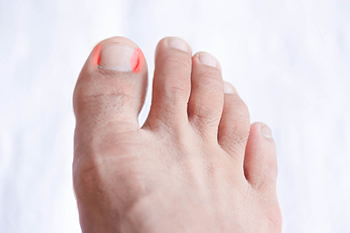 Patients who have had ingrown toenails are often familiar with the pain and discomfort that is often associated with them. It occurs as a result of the edge of the toenail growing into the surrounding skin. This can happen if shoes that are worn do not fit correctly, and the toes may be crammed together. Additionally, this condition may be caused by trimming the toenails in a rounded fashion instead of straight across. Common symptoms that many patients notice are pain around the edge of the toenail, redness, and swelling. Moderate relief can be found when the feet are soaked in warm water, as this will be beneficial in softening the affected area. If it becomes infected, it is strongly advised to seek the counsel of a podiatrist who can properly treat this ailment.
Ingrown toenails may initially present themselves as a minor discomfort, but they may progress into an infection in the skin without proper treatment. For more information about ingrown toenails, contact Roy Moeller, DPM of Foot & Ankle Physicians West. Our doctors can provide the care you need to keep you pain-free and on your feet.
Ingrown Toenails
Ingrown toenails are caused when the corner or side of a toenail grows into the soft flesh surrounding it. They often result in redness, swelling, pain, and in some cases, infection. This condition typically affects the big toe and may recur if it is not treated properly.
Causes
You are more likely to develop an ingrown toenail if you are obese, have diabetes, arthritis, or have any fungal infection in your nails. Additionally, people who have foot or toe deformities are at a higher risk of developing an ingrown toenail.
Symptoms
Some symptoms of ingrown toenails are redness, swelling, and pain. In rare cases, there may be a yellowish drainage coming from the nail.
Treatment
Ignoring an ingrown toenail can have serious complications. Infections of the nail border can progress to a deeper soft-tissue infection, which can then turn into a bone infection. You should always speak with your podiatrist if you suspect you have an ingrown toenail, especially if you have diabetes or poor circulation.
If you have any questions, please feel free to contact our office located in Edina, MN . We offer the newest diagnostic and treatment technologies for all your foot care needs.
Read more about Ingrown Toenails
Plantar warts are small growths that develop on parts of the feet that bear weight. They're typically found on the bottom of the foot. Don't live with plantar warts, and call us today!
 Did you know that diabetes is responsible for over 50% of all foot amputations in the United States? That is why diabetes experts recommend that everyone, whether they have type 1 or type 2 diabetes, protect their feet with daily foot checks, wear supportive fitting socks and shoes, and complete a comprehensive foot exam by a podiatrist at least once a year. Two main foot problems that can occur with people who have diabetes are Peripheral Vascular Disease and Diabetic Neuropathy. Other foot symptoms associated with people who have diabetes include loss of feeling, numbness or tingling sensations, blisters, skin discoloration, red streaks, and staining on their socks. If an infection develops the symptoms can worsen and include fever, chills, uncontrollable blood sugar, shock, and redness. With diabetes, since there can be numerous complications in the feet, it is strongly recommended that you consult with a podiatrist for the best prevention and treatment methods.
Diabetic foot care is important in preventing foot ailments such as ulcers. If you are suffering from diabetes or have any other concerns about your feet, contact Roy Moeller, DPM from Foot & Ankle Physicians West. Our doctors can provide the care you need to keep you pain-free and on your feet.
Diabetic Foot Care
Diabetes affects millions of people every year. The condition can damage blood vessels in many parts of the body, especially the feet. Because of this, taking care of your feet is essential if you have diabetes, and having a podiatrist help monitor your foot health is highly recommended.
The Importance of Caring for Your Feet
Patients with diabetes should have their doctor monitor their blood levels, as blood sugar levels play such a huge role in diabetic care. Monitoring these levels on a regular basis is highly advised.
It is always best to inform your healthcare professional of any concerns you may have regarding your feet, especially for diabetic patients. Early treatment and routine foot examinations are keys to maintaining proper health, especially because severe complications can arise if proper treatment is not applied.
If you have any questions please feel free to contact our office located in Edina, MN . We offer the newest diagnostic and treatment technologies for all your foot and ankle needs.
Read more about Diabetic Foot Care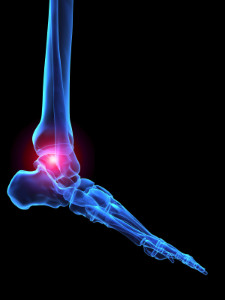
Patients who have arthritis in their feet can experience pain and discomfort, especially while walking. It can cause the cartilage to diminish, and this may contribute to bony spurs and bunions. Mild relief can be found when wider shoes are worn, and this may also lead to the overall comfort of the foot. Rheumatoid arthritis typically causes the joints on the ball of the foot to become inflamed, and sores and wounds can form on the bottom of the foot. Another form of arthritis, known as gout, can occur if there is an excess of uric acid in the bloodstream. This often causes severe pain and discomfort surrounding the big toe, and it will often become inflamed. If arthritis is affecting your feet, it is strongly suggested that you speak to a podiatrist who can properly treat the condition.
Arthritis can be a difficult condition to live with. If you are seeking treatment, contact Roy Moeller, DPM from Foot & Ankle Physicians West. Our doctors can provide the care you need to keep you pain-free and on your feet.
Arthritic Foot Care
Arthritis is a joint disorder that involves the inflammation of different joints in your body, such as those in your feet. Arthritis is often caused by a degenerative joint disease and causes mild to severe pain in all affected areas. In addition to this, swelling and stiffness in the affected joints can also be a common symptom of arthritis.
In many cases, wearing ill-fitting shoes can worsen the effects and pain of arthritis. Wearing shoes that have a lower heel and extra room can help your feet feel more comfortable. In cases of rheumatoid arthritis, the arch in your foot may become problematic. Buying shoes with proper arch support that contour to your feet can help immensely.
Alleviating Arthritic Pain
It is best to see your doctor for the treatment that is right for your needs and symptoms. Conditions vary, and a podiatrist can help you determine the right method of care for your feet.
If you have any questions, please feel free to contact our office located in Edina, MN . We offer the newest diagnostic tools and technology to treat your foot and ankle needs.
Read more about Arthritic Foot Care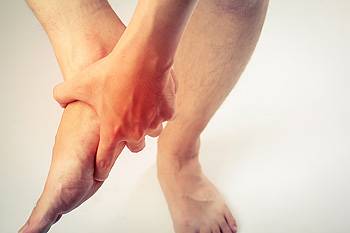 If the nerves are affected in the ankle, foot and toes, you may have a condition that is known as tarsal tunnel syndrome. Some of the symptoms that are associated with this ailment can include numbness, or a burning and tingling sensation. If an injury has occurred, and the tissues surrounding the tibial nerve become inflamed, this condition may develop. The pain and discomfort is typically felt in the heel and may extend to the sole of the foot. There are a number of reasons why this ailment can occur. These often include stress fractures, being overweight, or having flat feet. There may be existing conditions that put pressure on the nerves within the tarsal tunnel, and this may cause inflammation to occur. If you have any of the symptoms that have been mentioned, it is suggested to speak to a podiatrist who can guide you toward proper treatment options.
Tarsal tunnel syndrome can be very uncomfortable to live with. If you are experiencing tarsal tunnel syndrome, contact Roy Moeller, DPM of Foot & Ankle Physicians West. Our doctors can provide the care you need to keep you pain-free and on your feet.
Tarsal Tunnel Syndrome
Tarsal tunnel syndrome, which can also be called tibial nerve dysfunction, is an uncommon condition of misfiring peripheral nerves in the foot. The tibial nerve is the peripheral nerve in the leg responsible for sensation and movement of the foot and calf muscles. In tarsal tunnel syndrome, the tibial nerve is damaged, causing problems with movement and feeling in the foot of the affected leg.
Common Cause of Tarsal Tunnel Syndrome
The Effects of Tarsal Tunnel Syndrome
A physical exam of the leg can help identify the presence of tarsal tunnel syndrome. Medical tests, such as a nerve biopsy, are also used to diagnose the condition. Patients may receive physical therapy and prescriptive medication. In extreme cases, some may require surgery.
If you have any questions please feel free to contact our office located in Edina, MN . We offer the newest diagnostic and treatment technologies for all your foot and ankle needs.
Read more about Tarsal Tunnel Syndrome
If you are suffering from tenderness, pain, or stiffness in the joints of your feet or ankles, call us to schedule an appointment.
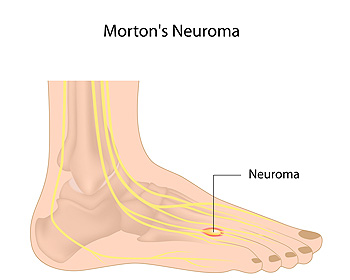 Pain and discomfort that is felt on the ball of the foot may indicate the presence of a condition that is known as Morton’s neuroma. Additionally, the pain may be felt at the base of the toes, and patients have noticed that it feels like they are standing on pebbles. Other symptoms can include numbness or tingling, and walking may be difficult. A common cause of this condition is wearing shoes that are too tight, and which do not have adequate room for the toes to move freely in. Wearing these types of shoes can cause irritation in the nerve, gradually putting pressure on that portion of the foot. There are existing medical conditions that are often associated with Morton’s neuroma. These can include bunions, hammertoes, and flat feet. After a proper diagnosis is performed, mild relief can be found in performing stretching techniques that may be helpful in loosening the tendons, in addition to elevating and massaging the affected foot. Please consult with a podiatrist if you feel you may have developed Morton’s neuroma, so that the proper treatment can begin.
Morton’s neuroma is a very uncomfortable condition to live with. If you think you have Morton’s neuroma, contact Roy Moeller, DPM of Foot & Ankle Physicians West. Our doctors will attend to all of your foot care needs and answer any of your related questions.
Morton’s Neuroma
Morton's neuroma is a painful foot condition that commonly affects the areas between the second and third or third and fourth toe, although other areas of the foot are also susceptible. Morton’s neuroma is caused by an inflamed nerve in the foot that is being squeezed and aggravated by surrounding bones.
What Increases the Chances of Having Morton’s Neuroma?
Morton’s neuroma is a very treatable condition. Orthotics and shoe inserts can often be used to alleviate the pain on the forefront of the feet. In more severe cases, corticosteroids can also be prescribed. In order to figure out the best treatment for your neuroma, it’s recommended to seek the care of a podiatrist who can diagnose your condition and provide different treatment options.
If you have any questions, please feel free to contact our office located in Edina, MN . We offer the newest diagnostic and treatment technologies for all your foot care needs.
Read more about Morton's Neuroma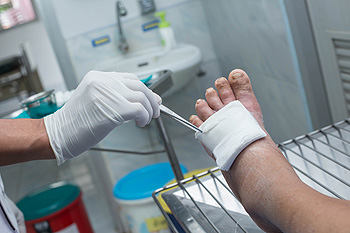 Patients with diabetes are often familiar with foot conditions that can develop as a result of this affliction. Research has indicated the importance of having regular foot examinations, as this can be helpful in noticing any cuts or wounds that have developed on the feet. Diabetes can produce tingling and numbing sensations in the feet. This may cause difficulty in feeling any cuts that are present on the feet, which can lead to infections. If the cuts are not properly cared for, foot ulcers may develop and gangrene may gradually develop. If you have diabetes, it is advised that you be under the care of a podiatrist who can manage this condition.
Diabetic foot care is important in preventing foot ailments such as ulcers. If you are suffering from diabetes or have any other concerns about your feet, contact Roy Moeller, DPM from Foot & Ankle Physicians West. Our doctors can provide the care you need to keep you pain-free and on your feet.
Diabetic Foot Care
Diabetes affects millions of people every year. The condition can damage blood vessels in many parts of the body, especially the feet. Because of this, taking care of your feet is essential if you have diabetes, and having a podiatrist help monitor your foot health is highly recommended.
The Importance of Caring for Your Feet
Patients with diabetes should have their doctor monitor their blood levels, as blood sugar levels play such a huge role in diabetic care. Monitoring these levels on a regular basis is highly advised.
It is always best to inform your healthcare professional of any concerns you may have regarding your feet, especially for diabetic patients. Early treatment and routine foot examinations are keys to maintaining proper health, especially because severe complications can arise if proper treatment is not applied.
If you have any questions please feel free to contact our office located in Edina, MN . We offer the newest diagnostic and treatment technologies for all your foot and ankle needs.
Read more about How to Care for Diabetic Foot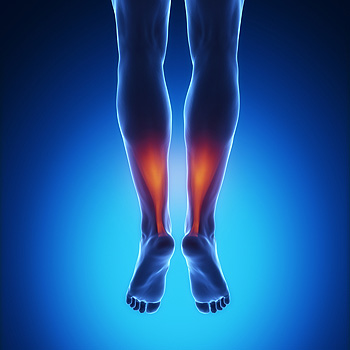 The Achilles tendon is located in the back of the calf, and its purpose is to connect the heel bone to the calf muscles. While anyone can injure their Achilles tendon, it is said people that frequently participate in sporting activities like basketball or tennis, may be at a higher risk due to constant stopping and sharp turns. When the tendon stretches too far, it can rupture or tear. This can cause considerable pain and discomfort, and daily activities may be difficult to complete. Some of the symptoms that are often associated with this injury can include difficulty in standing on toes, walking up steps, and some patients may notice the back of the ankle is bruised or swollen. It can help to ease the pain by elevating the affected ankle as often as possible, as this may help to reduce swelling. Treatment can include wearing a brace or splint, which may help to stabilize the foot. If you feel you have injured your Achilles tendon, it is suggested that you consult with a podiatrist who can guide you towards the best treatment options.
Achilles tendon injuries need immediate attention to avoid future complications. If you have any concerns, contact Roy Moeller, DPM of Foot & Ankle Physicians West. Our doctors can provide the care you need to keep you pain-free and on your feet.
What Is the Achilles Tendon?
The Achilles tendon is a tendon that connects the lower leg muscles and calf to the heel of the foot. It is the strongest tendon in the human body and is essential for making movement possible. Because this tendon is such an integral part of the body, any injuries to it can create immense difficulties and should immediately be presented to a doctor.
What Are the Symptoms of an Achilles Tendon Injury?
There are various types of injuries that can affect the Achilles tendon. The two most common injuries are Achilles tendinitis and ruptures of the tendon.
Achilles Tendinitis Symptoms
Rupture Symptoms
Treatment and Prevention
Achilles tendon injuries are diagnosed by a thorough physical evaluation, which can include an MRI. Treatment involves rest, physical therapy, and in some cases, surgery. However, various preventative measures can be taken to avoid these injuries, such as:
If you have any questions please feel free to contact our office located in Edina, MN . We offer the newest diagnostic tools and technology to treat your foot and ankle needs.
Read more about Achilles Tendon Injuries